Committed to Increasing Safety & Reducing Congestion
Welcome to the safermotorways.co.uk website.
Each month we highlight key issues that affect safety and congestion on UK motorways.
Our long running campaign to speed up the replacement of steel barrier on motorway central reserves continues in 2009 although we do expect to see a greater take up of concrete step barrier this year. Concrete step barrier is proven to virtually eliminate crossover incidents and the need for the endless repairs to steel barriers that cause so much congestion on our motorways and major trunk roads.
Meanwhile, whilst we all wait patiently for this revolutionary product to be rolled out across the country, the death toll continues to mount.
The speed limit on A-roads will be reduced to 50mph in an attempt to cut the number of road deaths by a third. Drivers also face limits of 20mph on residential roads and near schools, in proposals for ten-year safety targets set by the government.
This is the first time the government has set a specific target for cutting road deaths in Britain. The new restrictions should, according to the government, cut road deaths down to 2,000 from the 3,000 deaths we currently accumulate each year.
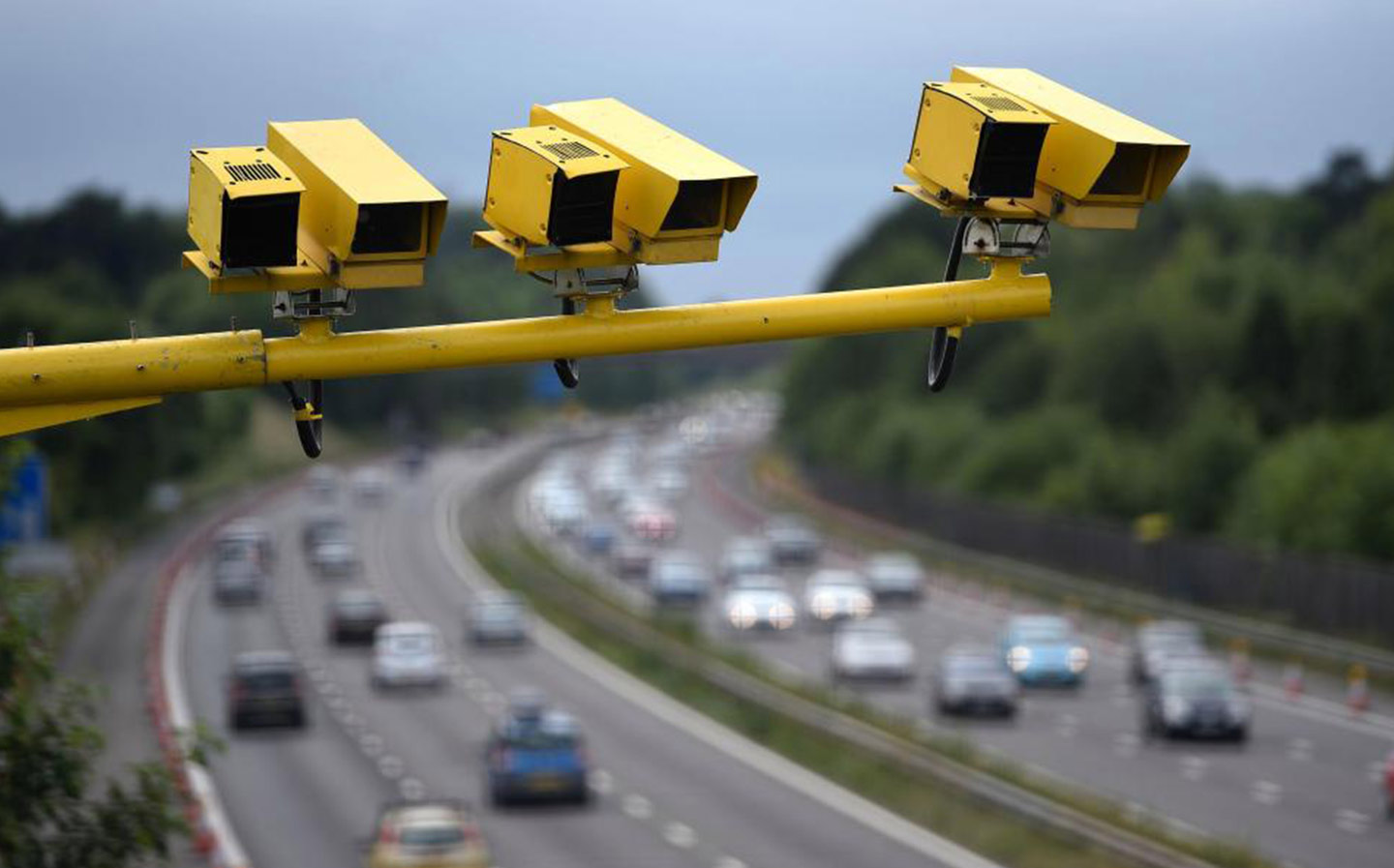
In addition to reducing the speed limit the Home Office will approve new average speed cameras to catch motorists travelling over the limit in residential areas. Motorists caught speeding 15mph over the limit will get 6 points on their licence, a large reprimand in comparison to the current 3 point penalty... read on >
Clearing Up Car Pollution Confusion
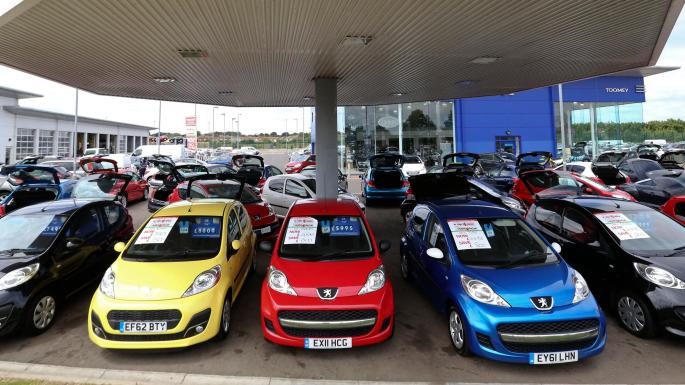
2009 - We all now live on an environmentally conscious planet. It has become your duty (yes you) my diligent motorist, to know exactly how much your vehicle is harming the atmosphere. Not least because your annual car tax is directly linked to how much CO2 your beloved car emits per kilometre!
But car pollution is not just about CO2 emissions, and herein lies the muddled confusion.
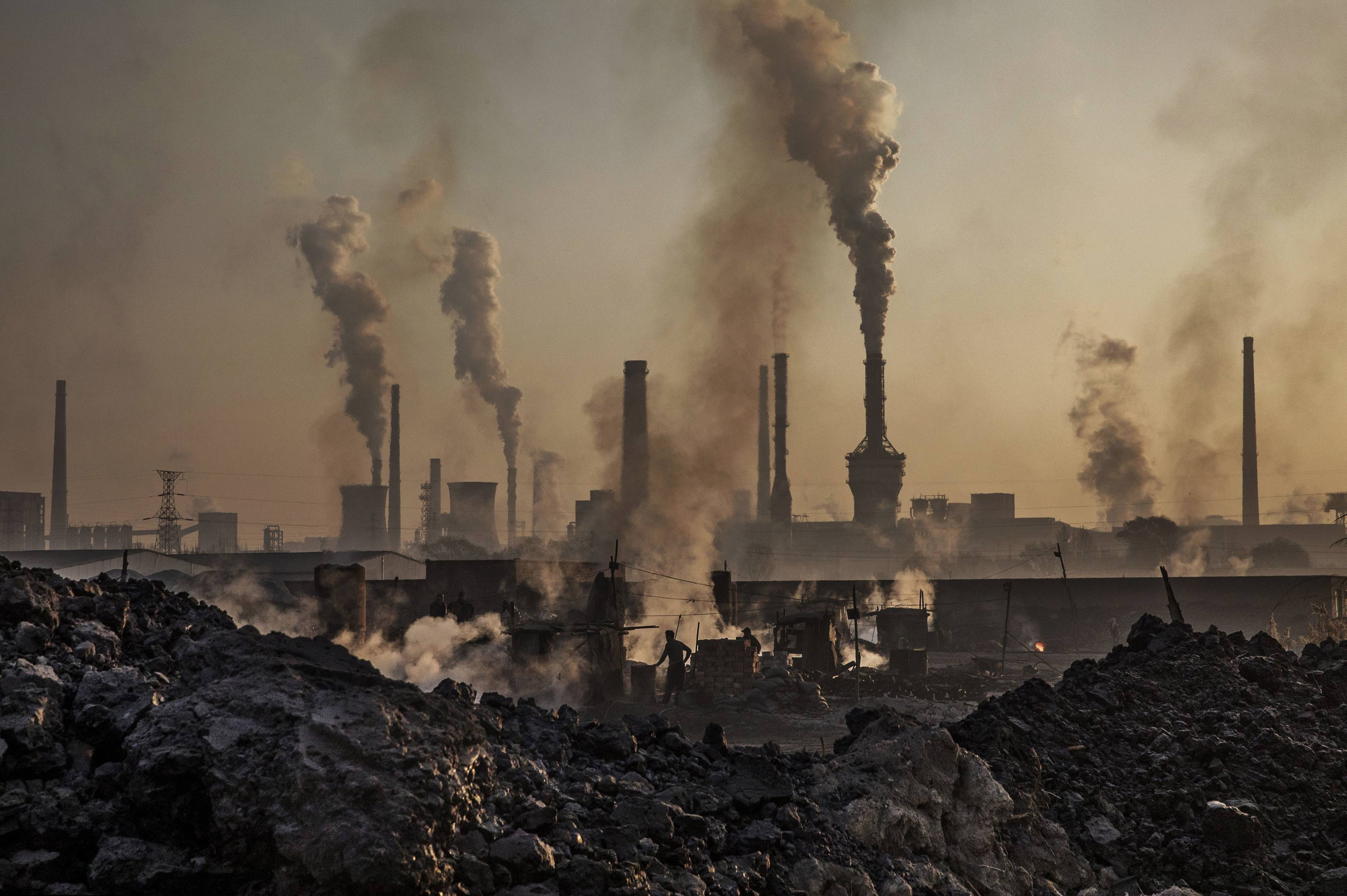
Engines also produce carbon monoxide, particulates, nitrous oxides and hydrocarbons, and all have an impact on the environment, albeit with a more localised effect.
So what are they?
Essentially they are all a result of the incomplete burning of fuel in the engine, and will continue to be produced despite the fact that modern engines have to become increasingly efficient... read on>
SIGN UP TO OUR
FREE NEWSLETTER
Receive the latest
news,
updates and features direct
to
your inbox every month
for free.